
15 RHS Level 2 Plant Examples for Exam Answers
If you are studying for RHS Level 2, you are expected to use plant examples to support written answers.
This page gives you 15 reliable UK plant examples you can safely use across multiple exam topics, including plant adaptation, planting design, maintenance, biodiversity, and sustainability.
Each plant includes simple characteristics plus guidance on how you might use it in an exam answer, so you can move beyond naming plants and start linking them to marks.
Many students lose marks by listing plants without explaining why they are suitable. Examiners are looking for plants with environmental, functional, maintenance, or wildlife values. The examples below are widely grown in UK horticulture and are suitable for use in RHS Level 2 written answers.
If you’d like personal help choosing plant examples and improving your answers, you can book a 1-to-1 RHS Level 2 session.
- How Examiners Expect You to Use Plant Examples
- 15 RHS Level 2 Exam Plant Examples
- 1. Lavandula angustifolia (English lavender)
- 2. Geranium ‘Rozanne’ (Hardy geranium)
- 3. Hedera helix (Ivy)
- 4. Miscanthus sinensis (Chinese silver grass)
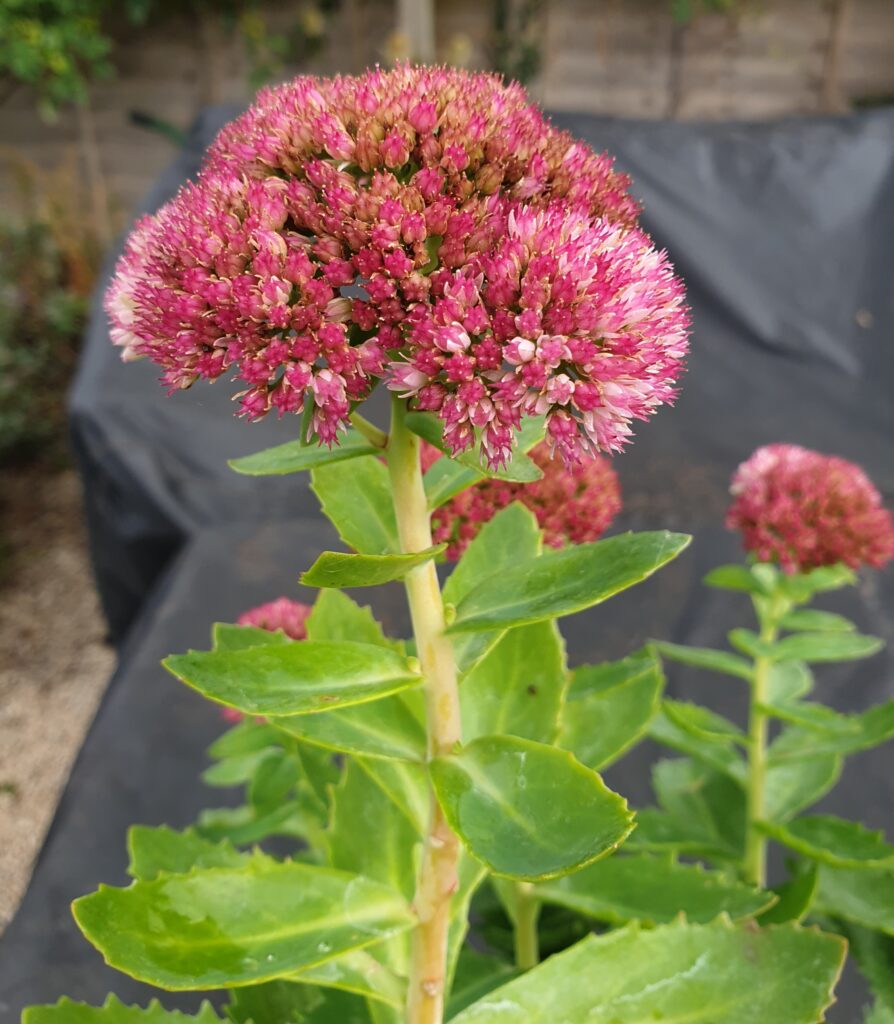
- 5. Hylotelephium (Sedum) spectabile
- 6. Betula pendula (Silver birch)
- 7. Allium species (Ornamental alliums)
- 8. Nepeta ‘Walker’s Low’ (Catmint)
- 9. Stachys byzantina (Lamb’s ear)
- 10. Achillea millefolium (Yarrow)
- 11. Salvia officinalis (Sage)
- 12. Vinca minor (Lesser periwinkle)
- Where this plant can help you gain marks
- 13. Cornus sanguinea (Dogwood)
- 14. Liriope muscari (Big blue lilyturf)
- 15. Verbena bonariensis (Purpletop)
- How to Use Them in the Exam
- Which Plant Should I Use in My RHS Level 2 Exam Answer?
How Examiners Expect You to Use Plant Examples
In RHS Level 2 exams, you gain marks when you:
- Link plants to the environment or conditions
- Explain how plant characteristics help survival
- Link plants to maintenance or management
- Link plants to biodiversity or sustainability
Simply naming plants usually does not gain full marks.
15 RHS Level 2 Exam Plant Examples
Here are 15 reliable plant examples you can use across multiple RHS Level 2 exam topics, including soil, climate, wildlife, maintenance, and planting design. Each example shows where the plant works best in exam answers.
1. Lavandula angustifolia (English lavender)
Key characteristics
- Evergreen subshrub
- Aromatic grey-green foliage
- Purple summer flowers
- Prefers free-draining, alkaline to neutral soil
How you might use this plant in an exam answer
- Example of drought-tolerant planting
- Good for pollinator support answers
- Suitable for Mediterranean-style planting
- Useful when explaining plants for free-draining soils.
Example exam sentence
Lavandula angustifolia is suited to free-draining soils because it is adapted to dry Mediterranean conditions and is tolerant of drought once established.
RHS topics this plant links to
- Plant adaptations
- Plant selection
- Biodiversity
- Sustainable planting
How this plant can help you gain marks
You gain marks when you:
- Link it to dry or free-draining soils
- Explain drought tolerance
- Link it to pollinators
- Link it to low-maintenance planting
2. Geranium ‘Rozanne’ (Hardy geranium)
Key characteristics
- Herbaceous perennial
- Very long flowering period (late spring to autumn)
- Blue-purple flowers
- Prefers sun or partial shade and moist but well-drained soil
How you might use this plant in an exam answer
- Example of long-flowering perennial planting
- Useful for pollinator planting answers
- Good for herbaceous border planting schemes
- Useful for extended seasonal colour examples
Example exam sentence
Geranium ‘Rozanne’ is valuable in planting design because it flowers over a long period, providing extended seasonal colour and supporting pollinators.
RHS topics this plant links to
- Plant selection
- Biodiversity
- Planting design
- Seasonal interest
How this plant can help you gain marks
You gain marks when you:
- Link it to long flowering season
- Link it to pollinator support
- Link it to border planting
- Link it to extended seasonal interest
3. Hedera helix (Ivy)
Key characteristics
- Evergreen climber
- Climbs using aerial roots
- Very shade-tolerant
- Produces late flowers and winter berries
How you might use this plant in an exam answer
- Example of a climbing plant adaptation
- Useful for wildlife habitat answers
- Good for shade planting schemes
- Useful for vertical greening examples
Example exam sentence
Hedera helix is valuable for wildlife because it provides late-season nectar and winter berries for birds.
RHS topics this plant links to
- Plant adaptations
- Biodiversity
- Plant selection
- Climbing mechanisms
How this plant can help you gain marks
You gain marks when you:
- Link it to shade tolerance
- Explain aerial root climbing
- Link it to wildlife support
- Link it to the evergreen structure
4. Miscanthus sinensis
(Chinese silver grass)
Key characteristics
- Deciduous ornamental grass
- Tall upright growth
- Late summer to autumn flowers
- Prefers full sun and well-drained soil
How you might use this plant in an exam answer
- Example of seasonal interest planting
- Useful for structure in borders
- Good for drought-tolerant planting once established
- Useful for movement and texture in design
Example exam sentence
Miscanthus sinensis provides seasonal interest because it produces flowers and seed heads in late summer and autumn.
RHS topics this plant links to
- Planting design
- Seasonal interest
- Plant selection
- Maintenance timing
How this plant can help you gain marks
You gain marks when you:
- Link it to late-season interest
- Explain ornamental grass structure
- Link it to drought tolerance
- Link it to low-maintenance planting
5. Hylotelephium (Sedum) spectabile
Key characteristics
- Succulent perennial
- Stores water in leaves
- Late summer flowering
- Prefers free-draining soil
How you might use this plant in an exam answer
- Example of drought adaptation
- Useful for pollinator planting answers
- Good for green roof planting examples
- Useful for low irrigation planting schemes
Example exam sentence
Hylotelephium spectabile is drought-tolerant because it stores water in its fleshy leaves.
RHS topics this plant links to
- Plant adaptations
- Sustainable planting
- Biodiversity
- Plant selection
Where this plant can help you gain marks
You gain marks when you:
- Explain water storage adaptation
- Link it to drought planting
- Link it to pollinator value
- Link it to low maintenance schemes
6. Betula pendula (Silver birch)
Key characteristics
- Deciduous tree
- Light canopy
- Fast-growing pioneer species
- White bark winter interest
How you might use this plant in an exam answer
- Example of pioneer species ecology
- Useful for biodiversity planting answers
- Good for light shade planting schemes
- Useful for soil improvement discussion
Example exam sentence
Betula pendula is a pioneer species that establishes quickly on poor soils and improves soil conditions over time.
RHS topics this plant links to
- Ecology
- Biodiversity
- Plant selection
- Tree establishment
How this plant can help you gain marks
You gain marks when you:
- Explain the pioneer species role
- Link it to biodiversity value
- Link it to light canopy planting
- Link it to early succession planting
7. Allium species (Ornamental alliums)
Key characteristics
- Bulbous perennial
- Spring to early summer flowering
- Dies back after flowering
- Drought-tolerant during dormancy
How you might use this plant in an exam answer
- Example of bulb life cycle
- Useful for seasonal planting layers
- Good for pollinator planting
- Useful for dormancy explanations
Example exam sentence
Allium species survive dry summer conditions because they store energy in underground bulbs.
RHS topics this plant links to
- Plant life cycles
- Plant adaptations
- Seasonal interest
- Biodiversity
How this plant can help you gain marks
You gain marks when you:
- Explain the bulb storage function
- Link it to dormancy
- Link it to pollinators
- Link it to seasonal planting
8. Nepeta ‘Walker’s Low’ (Catmint)
Key characteristics
- Herbaceous perennial
- Long flowering period
- Aromatic foliage
- Tolerates drought once established
How you might use this plant in an exam answer
- Example of long flowering pollinator plant
- Useful for low-maintenance borders
- Good for the front of the border planting
- Useful for deadheading response examples
Example exam sentence
Nepeta ‘Walker’s Low’ supports pollinators because it produces flowers over a long period.
RHS topics this plant links to
- Biodiversity
- Plant selection
- Maintenance
- Planting design
How this plant can help you gain marks
You gain marks when you:
- Link it to long flowering period
- Link it to pollinator support
- Link it to drought tolerance
- Link it to maintenance reduction
9. Stachys byzantina (Lamb’s ear)
Key characteristics
- Evergreen perennial
- Silver hairy leaves
- Low-growing ground cover
- Drought tolerant
How you might use this plant in an exam answer
- Example of leaf adaptation
- Useful for drought planting answers
- Good for sensory planting
- Useful for Mediterranean planting examples
Example exam sentence
Stachys byzantina reduces water loss because its hairy leaves trap moisture and reflect sunlight.
RHS topics this plant links to
- Plant adaptations
- Plant selection
- Sustainable planting
- Design
How this plant can help you gain marks
You gain marks when you:
- Explain the leaf hair function
- Link it to drought tolerance
- Link it to low-fertility soils
- Link it to sensory planting
10. Achillea millefolium (Yarrow)
Key characteristics
- Herbaceous perennial
- Flat flower heads
- Drought tolerant
- Spreads via rhizomes
How you might use this plant in an exam answer
- Example of pollinator access flower structure
- Useful for wildflower planting
- Good for drought planting
- Useful for naturalistic planting schemes
Example exam sentence
Achillea millefolium attracts pollinators because its flat flower heads provide easy landing platforms.
RHS topics this plant links to
- Biodiversity
- Plant adaptations
- Ecology
- Planting design
How this plant can help you gain marks
You gain marks when you:
- Explain the flower shape adaptation
- Link it to wildflower habitats
- Link it to drought tolerance
- Link it to pollinator support
11. Salvia officinalis (Sage)
Key characteristics
- Evergreen subshrub
- Aromatic leaves
- Grey-green foliage
- Prefers free-draining soil
How you might use this plant in an exam answer
- Example of Mediterranean adaptation
- Useful for herb garden planting
- Good for drought-tolerant planting
- Useful for leaf oil defence explanation
Example exam sentence
Salvia officinalis is drought-tolerant because its small leaves reduce water loss.
RHS topics this plant links to
- Plant adaptations
- Plant selection
- Sustainable planting
- Herb cultivation
How this plant can help you gain marks
You gain marks when you:
- Explain Mediterranean adaptation
- Link it to drought tolerance
- Link it to herb planting
- Link it to leaf structure adaptation
12. Vinca minor (Lesser periwinkle)
Key characteristics
- Evergreen ground cover
- Shade tolerant
- Spreads via stems
- Low maintenance
How you might use this plant in an exam answer
- Example of shade ground cover
- Useful for erosion control planting
- Good for woodland planting schemes
- Useful for low-maintenance planting
Example exam sentence
Vinca minor is suitable for shade planting because it tolerates low light levels and forms dense ground cover.
RHS topics this plant links to
- Plant selection
- Plant adaptations
- Maintenance
- Planting design
Where this plant can help you gain marks
You gain marks when you:
- Link it to shade tolerance
- Explain ground cover function
- Link it to weed suppression
- Link it to low maintenance schemes
13. Cornus sanguinea (Dogwood)
Key characteristics
- Deciduous shrub
- Coloured winter stems
- Tolerates moist soil
- Responds well to coppicing
How you might use this plant in an exam answer
- Example of winter interest planting
- Useful for coppicing maintenance answers
- Good for wildlife planting
- Useful for moist soil planting
Example exam sentence
Cornus sanguinea provides winter interest with brightly coloured stems after leaf fall.
RHS topics this plant links to
- Planting design
- Maintenance
- Biodiversity
- Plant selection
Where this plant can help you gain marks
You gain marks when you:
- Link it to winter interest
- Explain coppicing response
- Link it to wildlife shelter
- Link it to moisture tolerance
14. Liriope muscari (Big blue lilyturf)
Key characteristics
- Evergreen perennial
- Grass-like foliage
- Shade tolerant
- Late summer flowers
How you might use this plant in an exam answer
- Example of evergreen structure planting
- Useful for edging planting
- Good for shade planting schemes
- Useful for urban planting
Example exam sentence
Liriope muscari provides evergreen ground cover structure in shaded planting schemes.
RHS topics this plant links to
- Plant selection
- Planting design
- Maintenance
- Urban planting
Where this plant can help you gain marks
You gain marks when you:
- Link it to evergreen structure
- Link it to shade tolerance
- Link it to edging planting
- Link it to low maintenance planting
15. Verbena bonariensis (Purpletop)
Key characteristics
- Tall herbaceous perennial
- Long flowering season
- Self seeds
- Attracts pollinators
How you might use this plant in an exam answer
- Example of wildlife friendly planting
- Useful for naturalistic planting design
- Good for long flowering border planting
- Useful for seed dispersal examples
Example exam sentence
Verbena bonariensis supports pollinators because it produces nectar-rich flowers over a long season.
RHS topics this plant links to
- Biodiversity
- Plant selection
- Planting design
- Ecology
Where this plant can help you gain marks
You gain marks when you:
- Link it to pollinator support
- Link it to long flowering season
- Link it to naturalistic planting
- Explain self-seeding behaviour
How to Use Them in the Exam
These 15 plants cover many situations that commonly appear in RHS Level 2 exam questions, from dry soils and shade to pollinators and low-input planting.
By understanding why each plant works in more than one situation, you can reuse the same examples across different questions, save time under exam pressure, and write focused answers that gain marks.
These examples are suitable for questions on plant selection, site conditions, biodiversity, and sustainability.
You can use other suitable plant examples if you know them well and can explain why they are appropriate.
Which Plant Should I Use in My RHS Level 2 Exam Answer?
Select the conditions that maybe mentioned in an exam question to see suitable plant examples you could use in Section B and Section C answers.

Exam conditions that maybe mentioned in an exam question
Suitable plant examples
Select one or more conditions to see suitable plant examples.
Lavandula angustifolia (lavender)
Suitable for dry, free-draining soils and pollinator planting; low maintenance once established.
Geranium ‘Rozanne’ (hardy geranium)
Works as groundcover for weed suppression; useful for pollinators and mixed borders in sun or light shade.
Hedera helix (ivy)
Evergreen cover for shade and urban sites; supports wildlife and can be low maintenance once established.
Miscanthus sinensis (ornamental grass)
Useful for structure and winter interest; can suit climate-resilient planting and low-input urban landscapes.
Hylotelephium (Sedum) spectabile
Drought-tolerant with late-season flowers for pollinators; suits low-maintenance planting on free-draining soils.
Betula pendula (silver birch)
A light-canopy tree with wildlife value; useful in gardens and urban green space as a climate-focused example.
Allium species (ornamental alliums)
Reliable pollinator plant with seasonal structure; fits mixed borders and low-maintenance schemes.
Nepeta ‘Walker’s Low’
Long flowering for pollinators; tolerates free-draining soils once established and suits low-maintenance borders.
Stachys byzantina (lamb’s ear)
Drought-tolerant and useful for leaf adaptation examples; suits low-maintenance borders with sensory interest.
Achillea millefolium (yarrow)
Handles drier, poorer soils; supports pollinators and fits meadow-style or climate-resilient planting.
Salvia officinalis (sage)
Mediterranean-style example for drier sites; supports pollinators and can be used as edible or ornamental.
Vinca minor (lesser periwinkle)
Evergreen groundcover for shade; helps protect soil and can be used for low-maintenance areas.
Cornus sanguinea
Good for hedging and biodiversity; adds winter interest and suits wildlife-focused planting in gardens or towns.
Liriope muscari
Groundcover for shade and urban sites; useful for low-maintenance planting and soil protection.
Verbena bonariensis
Pollinator-friendly with a light, airy habit; fits free-draining soils and climate-resilient borders.
How to use this in the exam
- Name one clear plant example
- Link it directly to the site condition in the question
- Briefly explain why it suits the scenario
You only need one good example to score marks.